
You can’t Michelin-star your way out of a microwave.
During the COVID-19 pandemic, a small fish and chips pop-up in Manhattan started gaining buzz. It was simple. Sharp. Just a few things done well. That pop-up became Dame, now one of the city’s most celebrated seafood restaurants — fine dining, clever menu, great wine, good music, the kind of place where you can walk in and eat at the bar on a Tuesday or wait three weeks for a Saturday night reservation with friends.
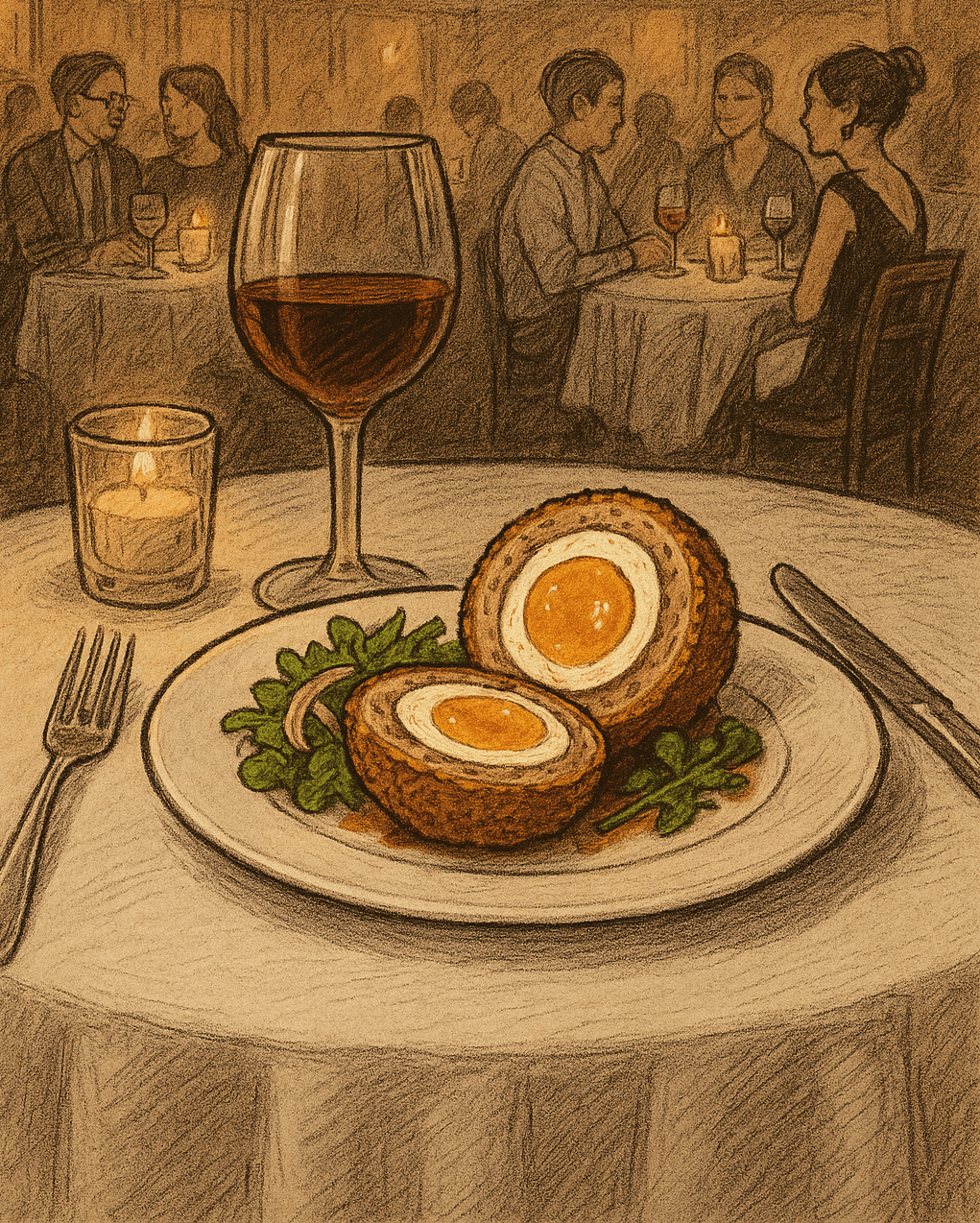
Then the team opened Lord’s — but instead of cloning Dame, they zagged. Elevated British pub fare. Hearty and surprising. Totally its own thing. You go in expecting something adventurous like pig’s head terrine and end up with the best scotch egg you’ve ever had. They kept what worked — the high standards, the atmosphere, the care — and made something new. They evolved. And it worked.
And then there’s the new Superman trailer.
The final preview of the first installment in James Gunn’s rebooted DC Universe already feels like the bad version of this metaphor. Like someone made an exact copy of Dame’s interior (The Rehearsal style) but served Gorton’s fish sticks. David Corenswet’s “Eyes up here” line is supposed to be charming and iconic, but it lands with the weight of a CW one-liner. And instead of showing us who this Superman is, we get a parade of side characters: Mr. Terrific, Hawkgirl, Metamorpho, Guy Gardner’s Green Lantern — and, for reasons still unclear, so much of the dog.
Everyone wants Marvel’s success, including Marvel. But they’ve all forgotten how it started.
Iron Man wasn’t a prologue. It was a movie. A complete, satisfying story that stood on its own, then hinted at something larger. It didn’t need a multiverse or ten subplot teases. It was made in a cave with a box of scraps—scrappy, character-driven, and grounded in a singular vision. And somehow, that worked better than all the overproduced spectacle that followed.
It also quietly set the blueprint for how these movies would get made: sketch out the big set pieces first, then write everything else around them. That works when the story is small — a guy in a cave, building something with limited tools while the clock is ticking. But with success comes complexity. Higher expectations. More pressure. Your favorite fish and chip shop just earned a Michelin star. You can’t keep winging it.
Just look at Brave New World — or whatever Captain America 4 is being called now. It’s barely a movie. A mess of reshoots, tonal whiplash, and late-game rewrites trying to climb out of a hole dug years ago by those same breadcrumb hints that made earlier films feel so “connected.” The whole thing collapses under the weight of a formula that refuses to evolve.
And what would evolution look like? Taking what got you there and applying the same technique to different products: strong writing, solid storytelling, charismatic stars. Maybe even, stay with me here, fewer cooks in the kitchen.
Look at Thunderbolts and Fantastic Four. They’re not crossover events. They’re self-contained stories. Some have familiar faces, some are rebooting a franchise that’s gone sideways twice already. But both seem to be made with a clear creative voice. Thunderbolts is directed by Jake Schreier (Paper Towns, Robot & Frank) — a filmmaker who knows how to build emotional tone and character dynamics in unconventional settings. Fantastic Four is in the hands of Matt Shakman, who directed WandaVision and knows how to take well-worn material and frame it through a fresh lens. One hand on the wheel. A single, skilled chef planning a deliberate, thoughtful menu.
Or take Andor. It’s a Star Wars show — a franchise known for chaotic handoffs and creative interference — but it worked because Tony Gilroy ran it like a drama first, not a brand extension. One writer. One vision. A show that trusted its audience and built its world from the inside out, not the timeline down. Gilroy once said that when you’re working with franchise IP, your job is to “leave more toys in the box than when you found it.” That’s what Andor did: it deepened the world without flattening it into merchandise. It added meaning, not noise.
The multiverse era of Marvel has felt like homework. Constant introductions. Narrative scaffolding. Movies that feel like meetings. The joy is gone.
And DC looks ready to follow them off the same cliff, starting with a grand unifying vision instead of one great film. Instead of earning trust with a single story, they’re serving the audience a menu of future tie-ins.
What made Marvel’s Phase One succeed wasn’t the shared universe. It was the surprise that it could be shared, after each movie had already earned its place.
Start with a story. Make it great. Then, if it happens to connect to something larger? Cool.
But stop franchising the floor plan. We came for the food.
Make a Dame. Don’t reheat the fish.
 Still Posting
Leave a comment