
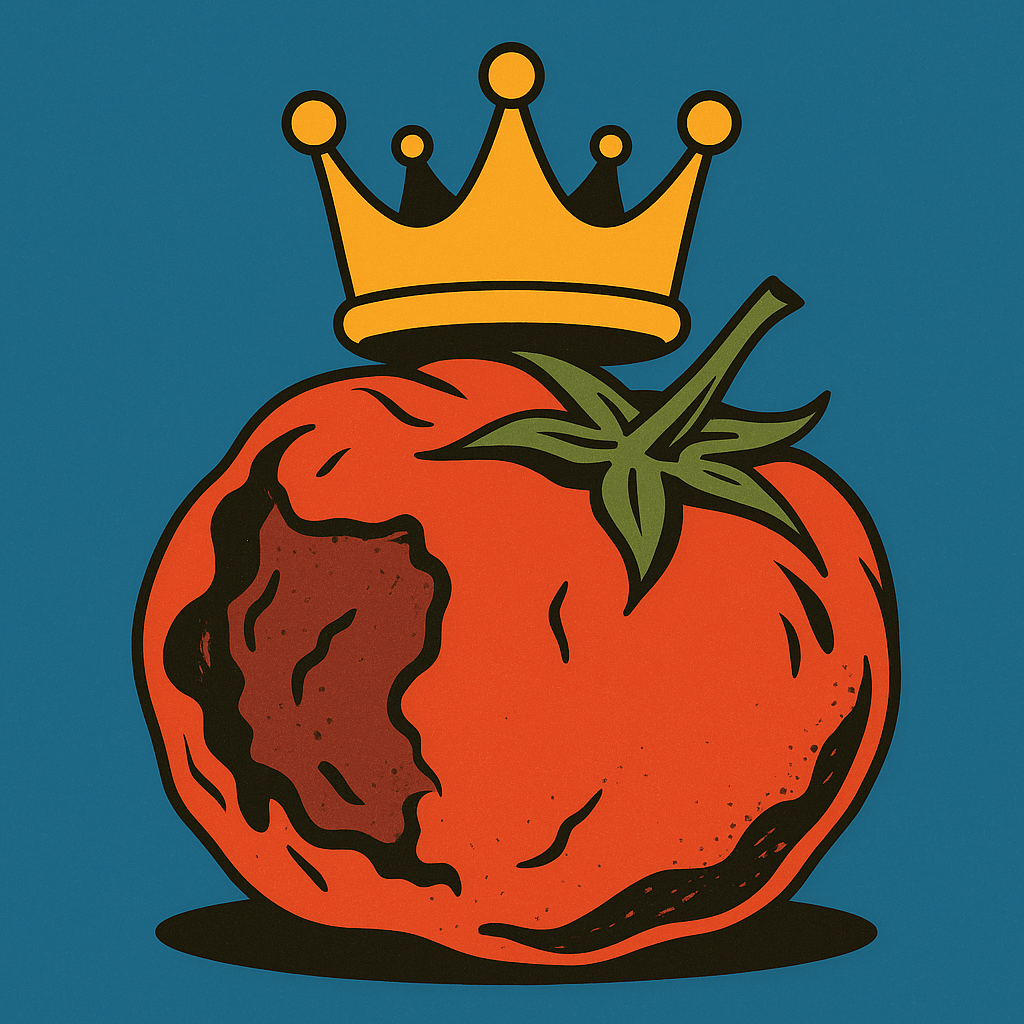
On backlash, bad-faith fans, and the future of IP storytelling
I didn’t write about The Last of Us season two because I didn’t think I could be constructive. I hated it. Not in a fun, hate-watch way—just in a disappointed, why-did-you-do-this way. The show squandered the momentum and goodwill of its first season by radically shifting its tone and structure. Ellie became an impulsive, selfish protagonist I couldn’t root for, and while I respect a realistic portrayal of trauma and grief, realism isn’t the same as good storytelling. At times, I was actively hoping she’d fail because her actions felt so reckless and destructive that failure seemed like the only path to any greater good. The critical outlets I follow seemed to enjoy it, or at least bite their tongues. I was starting to feel like I was watching a different show. Then I got some validation: Neil Druckmann, co-creator and executive producer, is stepping back from the show. That doesn’t sound like a creative success to me. HBO is seemingly trying to course-correct the whiplash of changing perspective and tone.
This kind of narrative shift may work better in a video game format. I don’t know. I don’t play video games, aside from my beloved Marvel Snap. However, I do pay attention to online culture, and it’s impossible to discuss The Last of Us without also mentioning the backlash to the character Abby in Part II of the game. The online backlash to her character was relentless and deeply misogynistic. Gamers fixated on her muscular build, her role in the story, and the fact that she didn’t fit their preferred archetype of a female character. Voice actress Laura Bailey received death threats. That kind of reception tells you everything about the fans of these stories—and how they react to their worldview being questioned.
Then, there’s Ironheart. I didn’t like it either, but at least I watched it. Most of the internet’s loudest voices didn’t bother. The show was review-bombed and ridiculed by the same toxic fanboy echo chamber that freaks out anytime a woman or person of color gets cast in a Star War. Kelly Marie Tran in The Last Jedi (my favorite Star War), Moses Ingram in Obi-Wan, the entire cast of The Acolyte. Hell, Daisy Ridley and John Boyega weren’t treated any better.
And maybe I’m noticing a personal bias here. Between The Last of Us and Ironheart, I realize I have less patience for teen protagonists who are headstrong, impatient, and naive—in other words, teenagers. That might just mean this particular milieu isn’t for me. That’s something I have to sit with and consider. However, the fanboys don’t seem willing or capable of doing this.
When was the last time an IP adaptation was met with universal fan enthusiasm? The Snyder Cut, maybe, but that only exists because a rabid fan campaign bullied the studio into submission—a campaign led by the kind of guys who quote Ayn Rand and mistake emotional avoidance for stoicism. That wasn’t a win for art. It was a win for organized bad-faith actors who know how to weaponize outrage online.
You can’t please a toxic fandom. They don’t care about writing, performance, or filmmaking—they care about control. Their taste is defined by what they reject, not what they embrace. And while their demographic breakdown varies, I’m going to refer to them as “fanboys”—not to gender them, but because their behavior is both toxically masculine and toxically nostalgic.
Their checklist looks something like this:
- Nostalgia
- Bigotry
- Idolatry (of auteurs and “heroes”)
- Gatekeeping
- Isolation
By contrast, when I watch something—especially an IP adaptation—I’m asking:
- Is it well-written?
- Is it creative?
- Is it cinematically well-made?
- Are the performances strong?
- What does it do with the source material?
- What does it say? And why now?
One of the few TV adaptations that succeeded, at least initially, was Game of Thrones. The source material was known but not overwhelmingly popular outside fantasy circles, and the adaptation was remarkably faithful, at least for the first few seasons. It didn’t have a legion of fans ready to nitpick every visual choice or line of dialogue. It built its audience by being good TV. Similarly, The Witcher (a more successful video game adaptation!) drew from lesser-known (in the U.S.) source material and used that obscurity to its advantage. There’s a model in that: take something niche and good, and make it popular. That’s a very different task than trying to reverse-engineer a “phenomenon” out of something that was never built for a film/TV format.
Also, let’s be honest—these are very white shows. It’s hard to ignore how little outrage they inspired compared to recent, more diverse entries in the IP world. We’ve hit a point where it’s unclear why any actor outside the white/male mold would even want these roles. The projects are underwritten, dumped with no fanfare, and then left to be devoured by a fanbase that has already decided to hate them before the first frame. If the studio won’t even back you up, why sign on?
Part of the problem might be the act of translation itself. Comic books to movies. Video games to prestige TV. Books to streaming limited series. We have different cultural expectations for each of these mediums, and the original formats—comics, games, novels—are typically solitary experiences. They’re consumed alone, imagined alone, interpreted alone. Of course, when you’re reading or playing something solo, you’re going to imagine the characters as versions of yourself—we all do this. So, there’s bound to be some dissonance when an actor is cast who doesn’t resemble what you pictured. But that dissonance is an opportunity for enrichment, not protest. Film and television, by contrast, are communal. They’re public-facing, social, and collaborative by nature. That dissonance—the shift from internal to external—might be what kicks off the fanboy outrage. But instead of recognizing that friction, they misplace the blame. They don’t interrogate the tension between formats—they just lash out at anyone who disrupted their fantasy, like a kid who didn’t get their way and decides to take their toys and go home instead of learning how to play with others.
Toxic fandoms don’t want interpretation. They want replication. But you can’t keep telling the same story, the same way, for the same boys forever. Storytelling has to evolve—even if some of the fans refuse to.
So, where does that leave us? Are we seeing the beginning of the end for IP as cultural currency? Maybe. Some of the most compelling original films this year—Sinners, The Materialists, The Phoenician Scheme, and a whole wave of horror—have found critical acclaim and audience enthusiasm without relying on existing franchises. Meanwhile, several major IP installments feel like swan songs. Mission: Impossible – Dead Reckoning, 28 Years Later, and Captain America: Brave New World all carry the weight of ‘end of an era’ energy.
At the same time, we’re rebooting franchises that don’t feel as exhausted. Ballerina and Jurassic World: Rebirth were both, in my opinion, better than the most recent entries in their respective series. And now Denis Villeneuve—arguably one of the most respected directors working today—has been tapped to direct the next James Bond movie, yet another soft reboot with serious creative potential. There’s still something there—when done well, these properties can surprise us. But that’s the catch: ‘done well’ increasingly means done with care, with vision, and with a clear understanding of the medium.
Thunderbolts worked, not because of its connection to the larger MCU, but because it had the clear creative voice of Jake Schreier behind it. That’s what we need more of—artists interpreting IP, not corporations engineering it to appease a toxic online community. Too often, especially in the Star Wars universe, it feels like studios are chasing approval from the loudest, angriest voices instead of empowering filmmakers to take risks. The future of IP may depend on who steers the ship: the artist or the executive.
For better or worse, we’re about to see what happens next. Fantastic Four is coming with the vision of director Matt Shakman, and Superman is being rebooted under James Gunn’s much-anticipated (not by me) direction.
Maybe the question isn’t whether IP is dead. It’s whether we’ve finally hit a wall with catering to the worst instincts of online fandom. What we need now isn’t less IP, but more vision. More trust in the artists, even if the subject matter is familiar. When it works, it’s because someone with a point of view was at the helm. Not a committee. Not a subreddit. Just a filmmaker with something to say.
That discomfort—the feeling that something beloved has changed without your permission—should be the beginning of enrichment, not the trigger for resistance. This is possible when there’s a strong creative voice in charge. Maybe we’ve reached the end of the nostalgia era. Maybe not. But if the future of IP lies in interpretation, not replication, then the only stories worth telling are the ones that take a risk.
 Still Posting
Leave a comment